
California State Parks Encourages Visitors to Stay Safe during this El Niño Winter
Contact:
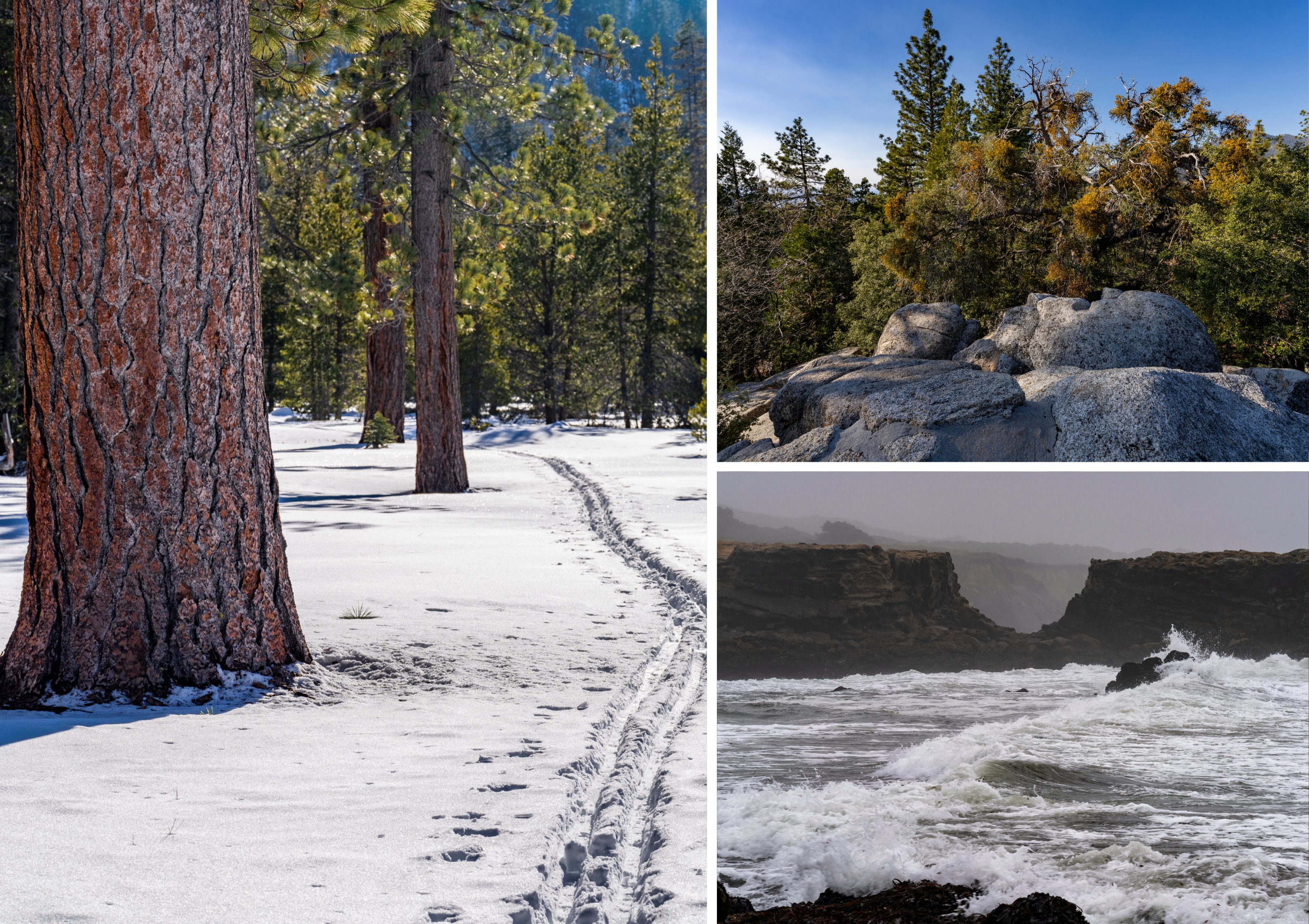
Being mindful of safety practices, such as hiking with a friend, packing appropriately, and checking local conditions can help visitors have a safe experience during winter. Photos from California State Parks.
SACRAMENTO – California State Parks is encouraging visitors to use caution and recreate safely during this El Niño winter. El Niño conditions can result in stronger storms, coastal flooding and other impacts across California. With proper preparation, there are ample opportunities for visitors to safely enjoy state parks throughout the winter, from hiking and biking to off-highway vehicle recreation and visiting the beach.
Here are some key safety guidelines:
- Know Before You Go and Pack Appropriately
o Check the weather forecast and road conditions before visiting park properties.
o Dress appropriately and wear sturdy, comfortable shoes if you’re doing heavy walking, such as hiking on a trail, during your visit.
o Make sure your vehicle’s tires, brakes, wipers, heater, defroster and exhaust are in good working order. Carry tire chains if you expect to drive in snow.
o Follow local alerts and evacuation instructions. Leave immediately if officials issue an evacuation order. If you need extra time to leave, act early when officials issue an evacuation warning.
o Leave an itinerary with family and friends with information on where you are going, who is going with you and your expected return date. This will provide law enforcement personnel with essential information if an emergency response may be needed.
- Take Precautions When Visiting State Beaches
o Stay well back from the water, rocky shorelines and exposed coastal areas.
o Do not climb or scale shoreline rocks.
o Stay off cliffs and recreational trails along the immediate coastline.
o Never turn your back on the ocean.
o Plan your visit around low tide, when more sand is exposed between the cliffs and waves, allowing you to maintain a safer distance from the bluffs.
o Do not enter the water to attempt a rescue. Alert a lifeguard or call 911 if someone is in danger.
- Stay on Track and Together While Hiking
o Use the buddy system when hiking. It’s best to hike with a friend or family member.
o Drink and carry plenty of water (a minimum of 1 quart every two hours).
o Avoid walking off-trail and in locations that have been closed to the public.
o Winter can bring wet or icy conditions that can result in unstable or slippery surfaces. Be mindful of where you step and wear waterproof footwear with proper traction.
- Safe Campers are Happy Campers
o Campers should check their first aid kits to ensure contents have not expired.
o Ensure your tent is at least 15 feet upwind from grills and fires. Maintain at least 3 feet of clear area around the tent, free from leaves and dry grass.
o Never leave fires unattended and remember to fully extinguish fires before leaving. Keep water and a shovel nearby.
o Use the provided fire rings. Avoid building fires larger than necessary.
o Be especially mindful of campsites in flood-prone areas.
- Download the OuterSpatial App to Enhance your Park Experience
o Experience a safer outdoor adventure with the OuterSpatial app—your ultimate guide to California’s state parks. Navigate through a user-friendly interactive map, receive accurate directions, and stay updated in real time for secure park exploration. OuterSpatial integrates with what3words to allow visitors to communicate precise locations in emergency situations, even in remote areas.
You can find additional safety tips and information on backpacking, biking, camping, horseback trails and regulations at To find a state park near you, visit
More on El Niño
California is taking action now to protect lives and reduce damage before winter storms arrive. Under Governor Newsom’s State of Emergency proclamation, state agencies are working with local and tribal partners to reduce flood and debris-flow risks, get response resources ready, and help Californians prepare. State leaders are taking action now, and you can take steps to prepare too.
El Niño impacts can vary depending on where you live, so it’s important to be prepared for a range of possibilities. State agencies and their partners are monitoring forecasts and local conditions to guide decisions as the timing, location and severity of individual storms become clearer.
What State Parks is Doing to Prepare
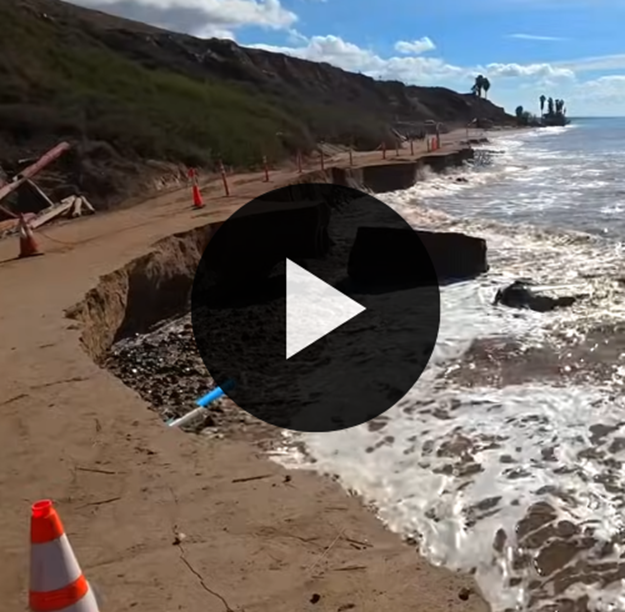
As the nation’s largest and most diverse state park system — with parks on coastal shorelines, inland floodplains and high elevations, State Parks is taking early action to prepare for a range of direct and indirect El Niño effects.
For example, a number of coastal state parks and beaches are coordinating the storage of interlocking sandbags, including at Crystal Cove State Park, where staff are protecting the park’s historic cottages. The state park on the Orange County coast was also the location where Governor Newsom signed an executive order directing state agencies to protect Highway 1 and the coastal communities that depend on it.
Governor Newsom’s El Niño emergency proclamation helped streamline permitting and expedite an emergency contract to repair the end of Malibu Pier at Malibu Lagoon State Beach, which has been closed as a safety precaution since January 2025. At MacKerricher State Park, the emergency proclamation mobilized resources to quickly stabilize a key road in a precarious position on the rugged Mendocino coast ahead of the storm season.
Check out the latest California State Parks blog to learn more about the early action to prepare for potential storm impacts and the science behind El Niño.
What Californians Can Do Now
California encourages everyone to prepare now. Stay informed, sign up for local emergency alerts at Ready.ca.gov, follow instructions from local authorities, and make an emergency plan with your family.
- Before storms arrive:
o Know your flood risk and sign up for alerts. Check whether your home or workplace is in a flood-prone area using Cal OES MyHazards. Visit Ready.ca.gov to sign up for local emergency alerts.
o Review your insurance coverage. Most homeowners’ and renters’ policies exclude flood damage. New flood coverage typically takes 30 days to start.
o Get your home ready for storms. Clear gutters and storm drains, repair roof leaks, trim trees, and pick up sandbags early if you need them.
o Make a video inventory of your home. Film each room and what’s in it so you have a record if you need to file an insurance claim.
o Protect important documents. Put IDs, insurance and medical records, and property deeds in a waterproof bag. Keep digital copies online or your phone.
o Check your vehicle before storms arrive. Make sure your tires, brakes, wipers, heater, defroster, and exhaust are in good working order. Carry tire chains if you expect to drive in snow.
- During storms:
o Follow local alerts and evacuation instructions. Leave immediately if officials issue an evacuation order. If you need extra time to leave, act early when officials issue an evacuation warning.
o Avoid unnecessary travel. Never drive or walk through floodwater. Move to higher ground if water starts rising near you.
o If you must travel, check Caltrans QuickMap for road closures and chain controls before you leave.
Subscribe to California State Parks News via e-mail at NewsRoom@parks.ca.gov
California State Parks provides for the health, inspiration and education of the people of California by helping to preserve the state’s extraordinary biological diversity, protecting its most valued natural and cultural resources, and creating opportunities for high quality outdoor recreation.