
Governor Newsom Unveils Bold Vision for Biggest Expansion of State Parks in Decades, Adding Three New State Parks and Thousands of Acres to Existing Parks
Contact:
Newsroom@parks.ca.gov
Link to Media Kit
In the face of federal threats, ‘State Parks Forward’ advances key administration
priorities to conserve nature and increase access to the outdoors
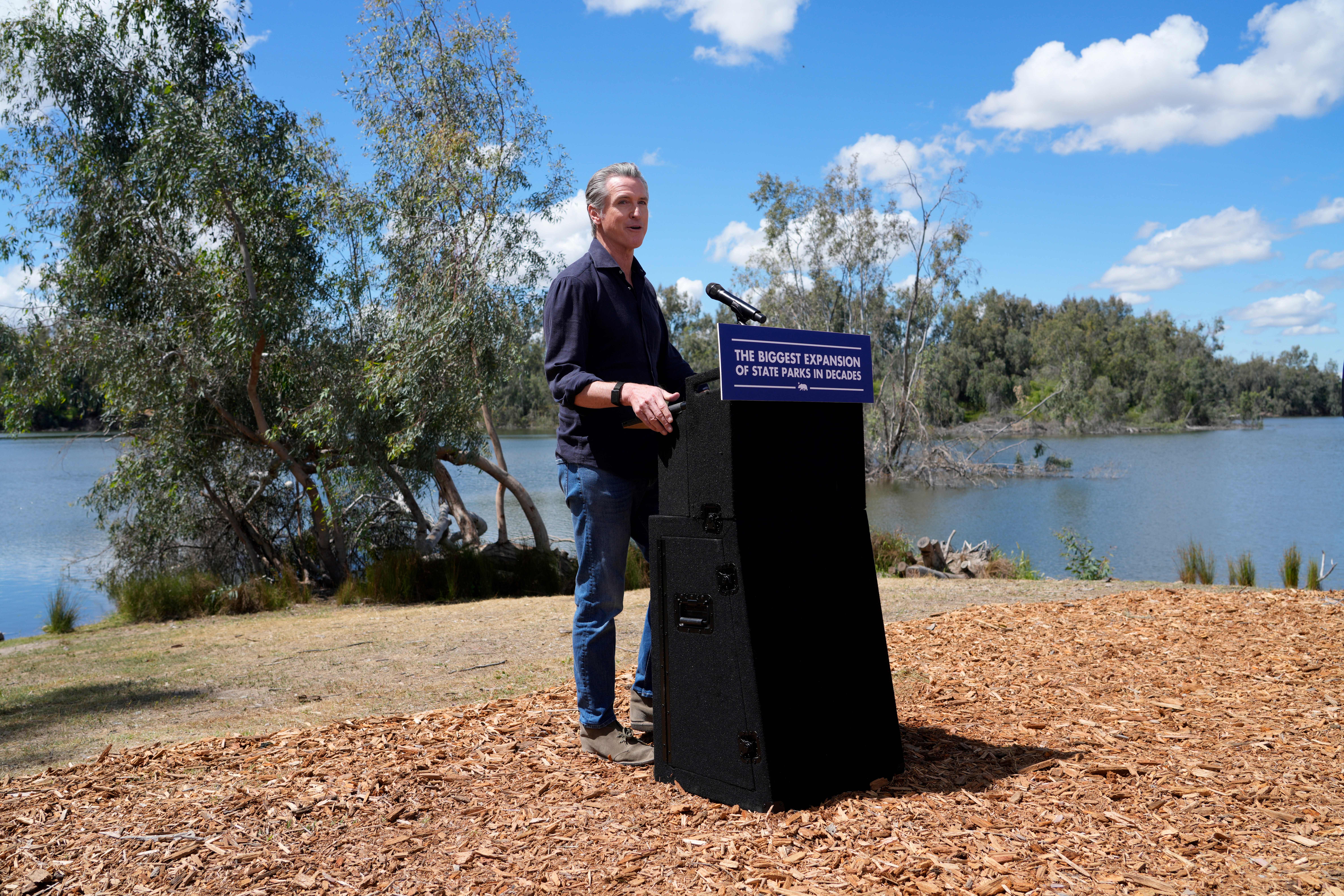 Governor Gavin Newsom announces State Parks Forward. Photo from California State Parks.
What you need to know: Governor Newsom today laid out State Parks Forward, adding three new state parks in the Central Valley – pushing the statewide total to 283 parks – while growing existing parks by 30,000 acres by the end of the decade. This is the biggest expansion of the State Park System in decades and is providing more access to parks in the Central Valley.
FRESNO —Governor Gavin Newsom today announced State Parks Forward, setting California on a path to rapidly expand the nation’s largest and most diverse State Park System through a streamlined acquisition and planning process.
Building on unprecedented progress of key administration priorities like Outdoors for All and 30x30, State Parks Forward establishes three new state parks near underserved communities in the Central Valley and lays the groundwork to turn that vision into reality while at the same time expanding existing parks by thousands of acres. These strategic acquisitions will increase the number of state parks to 283 – far more than any other state. Thanks to Senate Bill 630 (2025, Allen) and Assembly Bill 679 (2025, Pellerin), which Governor Newsom signed last year, California is on the path to preserve and protect an additional 30,000 acres of land by the end of the decade. State Parks Forward is driving forward the biggest expansion of the State Park System in decades.
Governor Newsom unveiled his vision on the banks of the San Joaquin River near Fresno at the site of one of the new parks, coinciding with his last Earth Day in office and exactly two years after dedicating Dos Rios, the first new state park in a decade.
“As Trump sells out America’s national parks, California is doubling down on protecting the Golden State’s natural beauties,” said Governor Gavin Newsom.
“Today, through the State Parks Forward initiative, we’re expanding our parks system with three new state parks, creating new outdoor recreation opportunities for Central Valley communities, and deepening our conservation commitments, and preserving our lands for generations of Californians to come.”
“Earth Day reminds us that our planet is a shared home and that our state parks belong to all Californians,” said First Partner Jennifer Siebel Newsom. “With three new state parks through State Parks Forward, we are partnering across agencies to expand access to the outdoors so more children and families can connect with California’s unmatched natural beauty.”
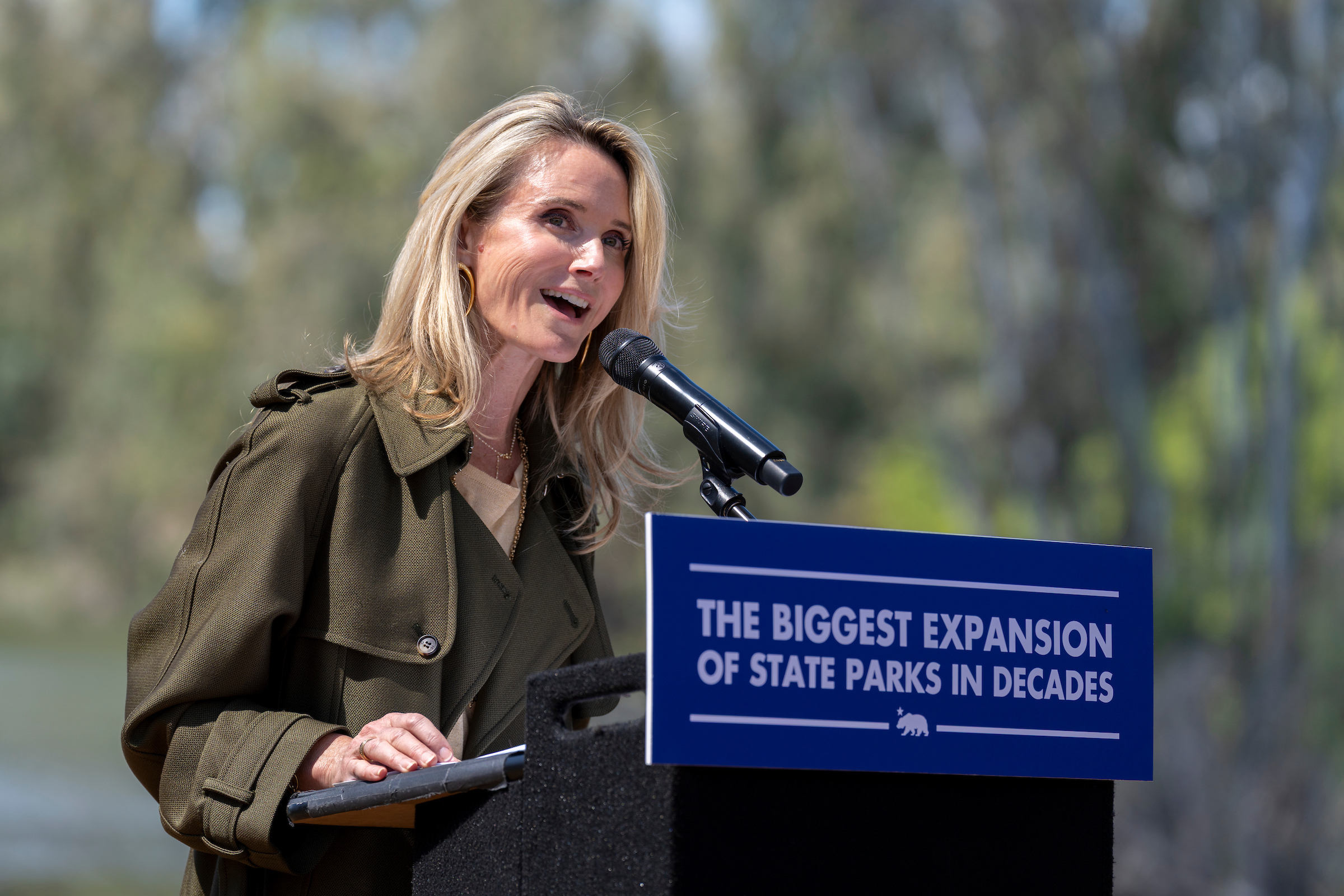 First Partner Jennifer Siebel Newsom kicks off the Earth Day announcement along the San Joaquin River. Photo from California State Parks.
“California’s state parks are nothing short of iconic – with locations like Big Sur, Southern California beaches, and the world’s tallest trees – but our state has even more to offer,” said California Natural Resources Secretary Wade Crowfoot. “Now through State Parks Forward we’rebringing more parks to more places – particularly in the Central Valley, a beautiful region that has too often been overlooked for new parks – while at the same time making critical progress to conserve 30% of our lands by 2030.”
“The bold vision laid out today by Governor Newsom sets California on a path to not just grow the State Park System but also provide more access and instill a greater connection and sense of pride for all Californians in their state parks,” said California State Parks Director Armando Quintero. “State Parks Forward would not be possible without our incomparable staff and partners and the amazing work they do every day in service to the people of California and their public lands.”
PATHWAY TO NEW PARKS
Starting today, State Parks will begin the planning and acquisition process for the three new parks, spanning approximately 330 miles from one end of the Central Valley to the other. Each provides something not currently offered at a state park, whether it be access to two more local rivers or an important piece of California history. All parks are publicly held and can be acquired at little to no cost to the state.
Feather River Park (Olivehurst, Yuba County)
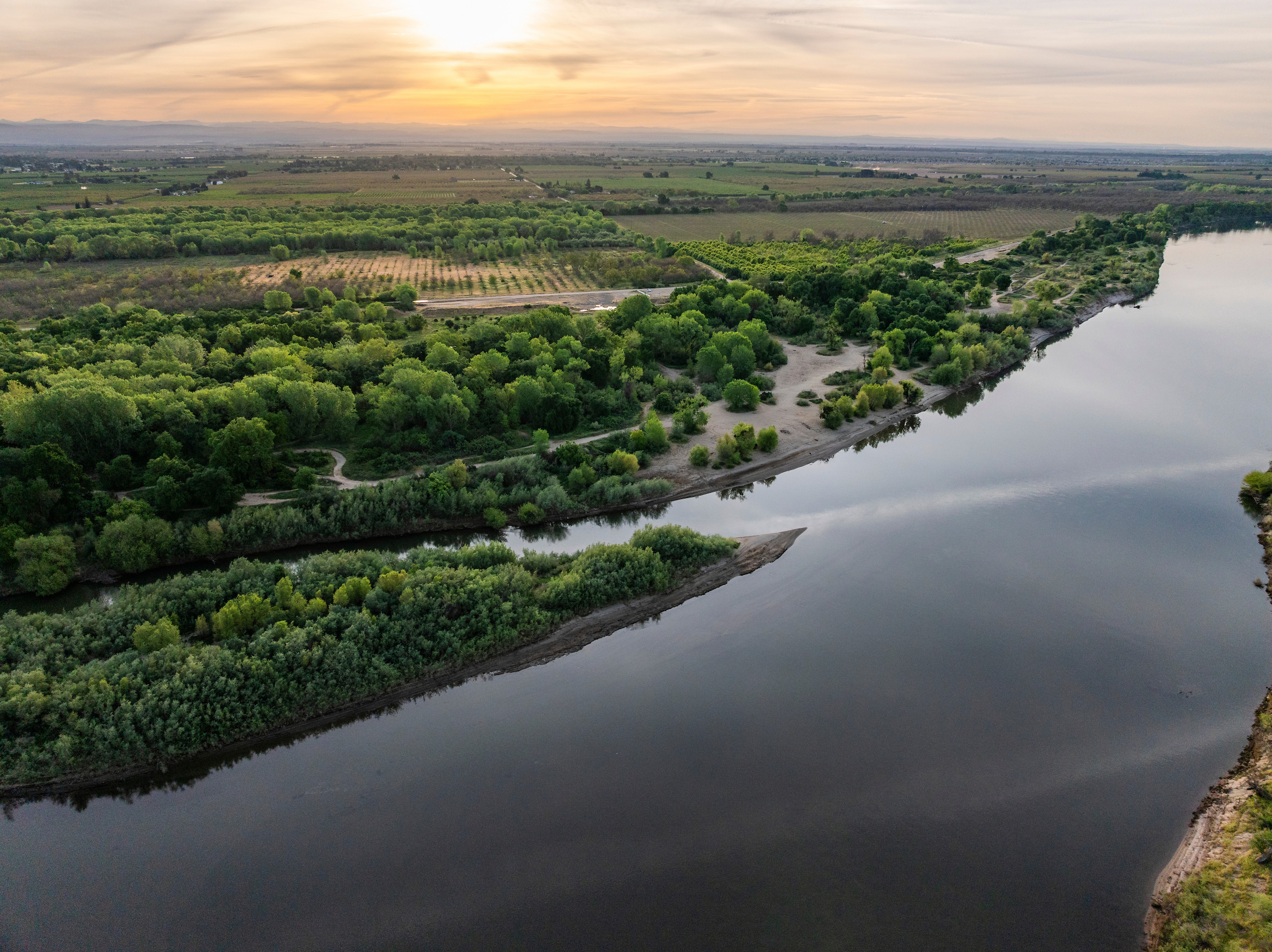 Aerial view of the Feather River in Yuba County. Photo from California State Parks.
Why it’s noteworthy: Sitting on nearly 2,000 acres along the Feather River and currently owned by the Three Rivers Levee Improvement Authority of Yuba County, the park offers multiple benefits, including a floodplain designed to take on water in high-flow years and natural habitat in selected restored areas.
Why it makes a great state park: This would be the first state park in Yuba County (population approximately 85,000), enhancing access to high-quality recreation in an underserved part of the state. The park offers numerous recreational opportunities, including a boat launch and a riverside beach.
San Joaquin River Parkway (Fresno and Madera counties)
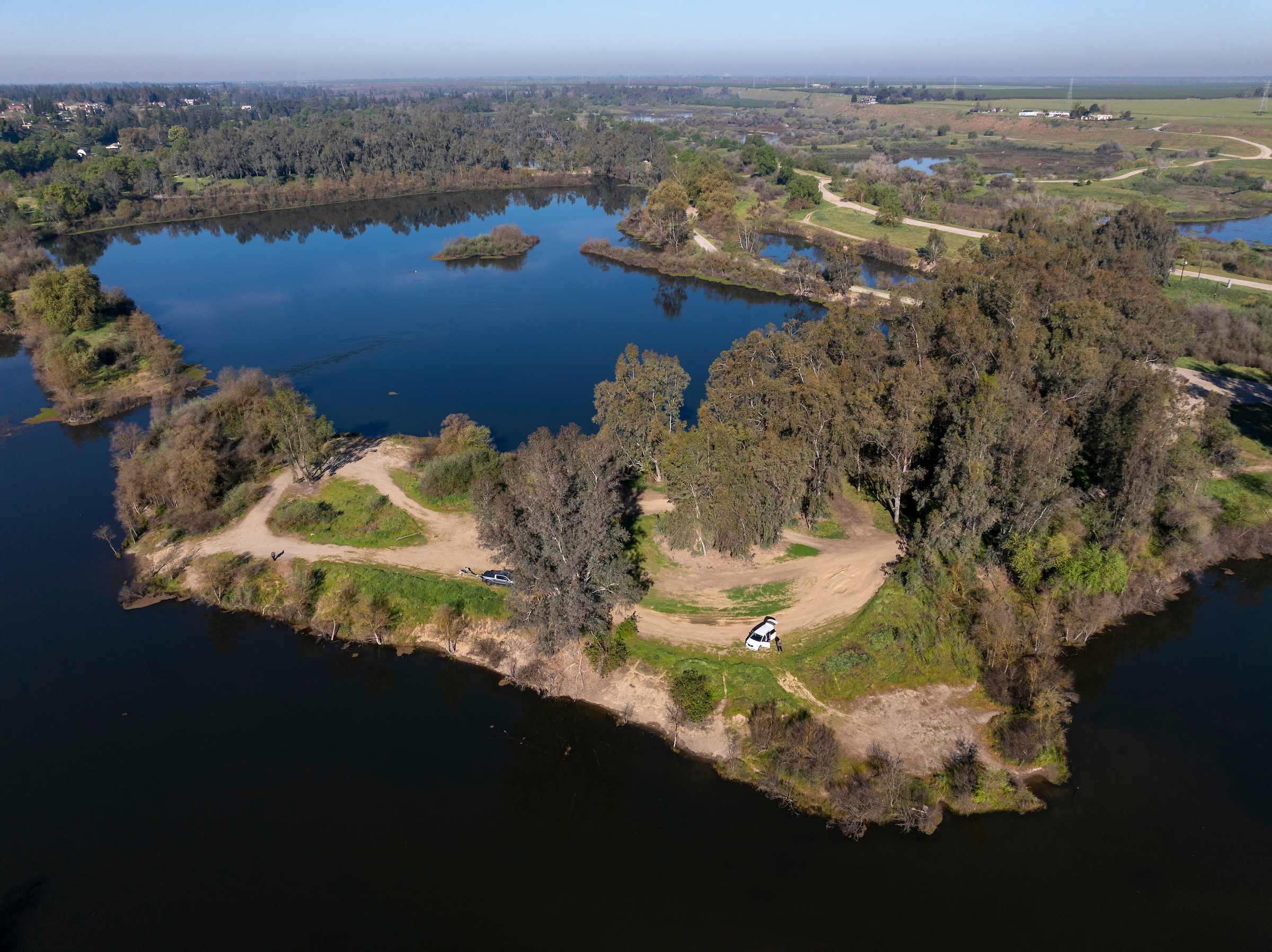 Aerial view of the San Joaquin River Parkway. Photo from California State Parks.
Why it’s noteworthy: Currently owned by the San Joaquin River Conservancy, the parkway is a vital corridor that enjoys broad public, local and state support. Immediately upriver from the City of Fresno, numerous public properties currently form a mix of multi-use parks with river access on both sides of the San Joaquin River.
Why it makes a great state park: Joining various properties into an 874-acre state park will create expanded recreation opportunities and greater access along the river. The park would complement nearby Millerton Lake State Recreation Area to establish a water recreation hub near a major population center in a fast-growing region of the state.
Dust Bowl Camp (Bakersfield, Kern County)
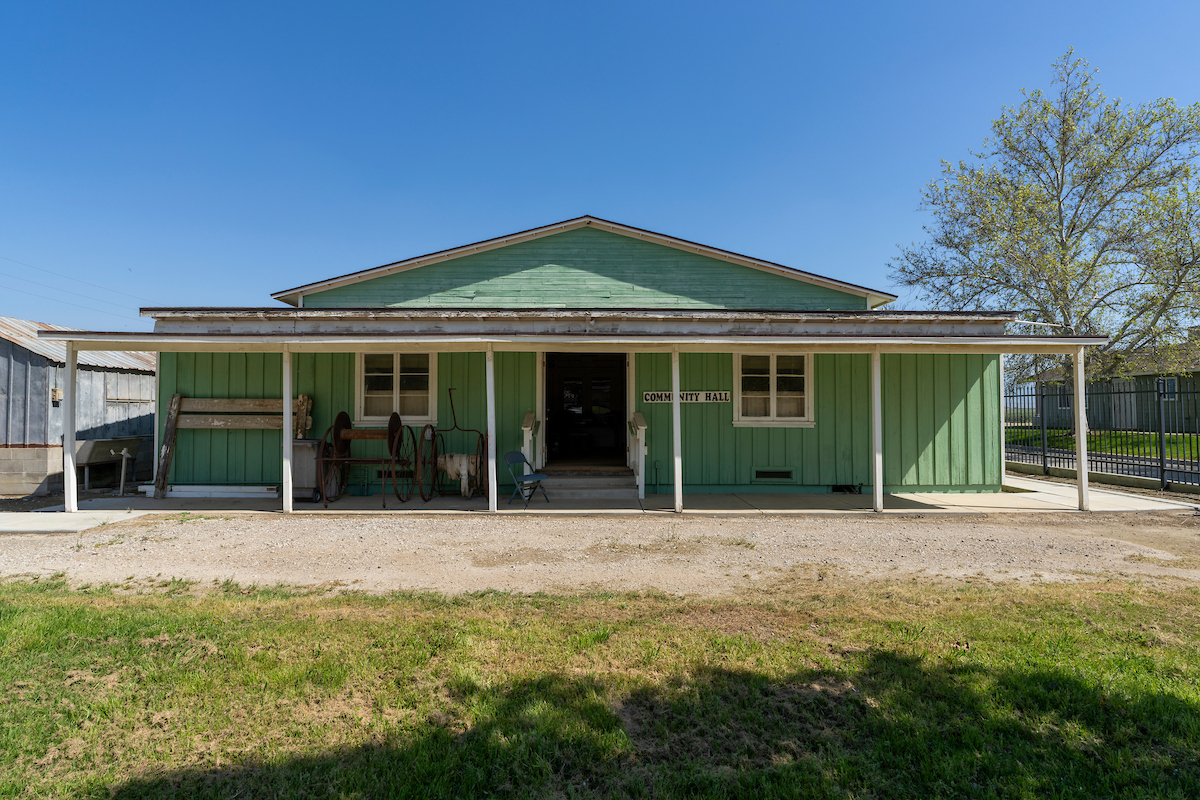 Dust Bowl Camp in Bakersfield. Photo from California State Parks.
Why it’s noteworthy: Listed on the National Register of Historic Places and the California Register of Historical Resources, the Sunset Migratory Labor Camp, now owned by the Housing Authority of Kern County, was one of the first camps established by the federal government to house displaced farm workers who fled the Dust Bowl to seek work in California during the Great Depression. Notably, the camp served as the inspiration for John Steinbeck’s Pulitzer Prize-winning novel The Grapes of Wrath, which Steinbeck dedicated to the camp’s administrator.
Why it makes a great state park: Located near underserved and disadvantaged communities outside Bakersfield, the historic camp, which is not currently open to the public, would be California’s first state park directly touching upon the Dust Bowl and the migrant farming camps of the Great Depression. With numerous historic buildings – the only original buildings left from the Dust Bowl era of the 1930s and 40s in any camp in California – the roughly 2-acre park would offer a new place for learning and exploration of an important era in our state and nation’s history. Students and fans of The Grapes of Wrath could now have a place to visit to gain a first-hand understanding of what life was like in a migrant farming camp during the Dust Bowl and help give new life to a classic American novel.
What’s next: State Parks will immediately begin the public engagement process for all three new parks to hear directly from the surrounding communities and stakeholders about what they want to see in the future. The public can sign up to receive updates on engagement opportunities on the State Parks Forward webpage. Following the engagement process, State Parks will submit a visioning report to Governor Newsom this fall outlining key recommendations and next steps.
EXPANDING EXISTING PARKS
Coinciding with the new state parks, work is underway and accelerating to add thousands of acres of public land by expanding the footprint of existing state parks – totaling 30,000 acres of added State Park lands by the end of the decade. These strategic no- or low-cost acquisitions – enabled by partnerships with local land trusts and conservation partners and streamlined by recent bills signed into law by Governor Newsom, SB 630 and AB 679 – will preserve and protect sensitive ecosystems and critical wildlife habitat corridors next to existing parks. Crucially, these expansions will not add to the parks’ long-term maintenance and operating expenses and in many cases will save money and improve operational efficiency. These expansions further the state’s commitment to conserve 30% of California's lands and coastal waters by 2030 (called “30 by 30”), while increasing public access to the outdoors.
Several State Parks Forward acquisitions have already been completed, including three significant property donations that have been finalized in the past week totaling approximately 804 acres.
453 Acres Added to Montgomery Woods State Natural Reserve (Mendocino County)
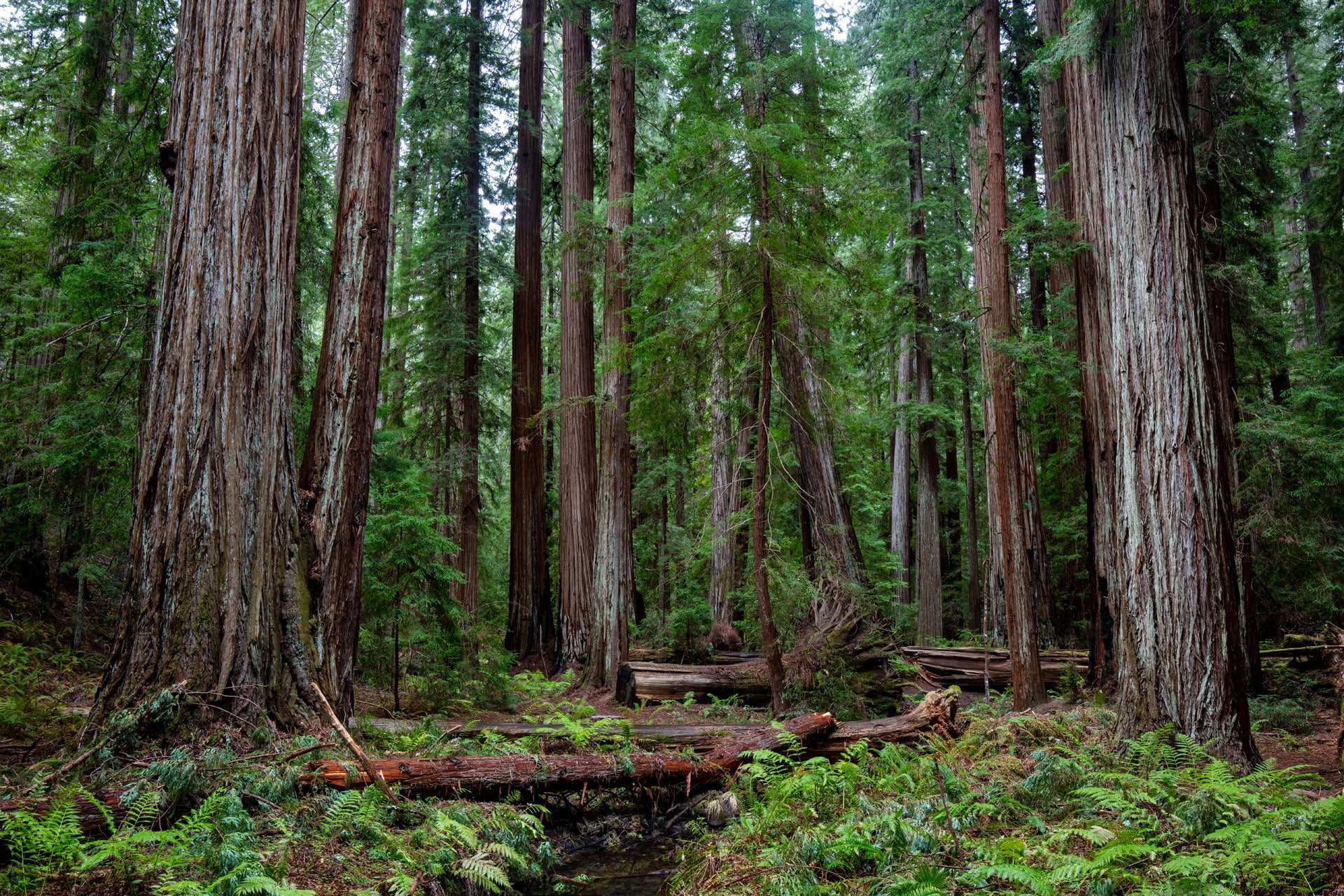 Atkins Place is being added to Montgomery Woods State Natural Reserve. Photo from Max Forster, Save the Redwoods League
Atkins Place, donated by Save the Redwoods League, adds a second-growth forest featuring a mix of coast redwood and oak woodlands to serene Montgomery Woods State Natural Reserve. The expansion also includes 1.25 miles of high-quality streams for imperiled fish in the salmon family. The addition increases the size of Montgomery Woods by 16%.
“Donating Atkins Place to State Parks is the realization of the vision we set when we launched our Montgomery Woods Initiative,” said Steve Mietz, president and CEO of Save the Redwoods League. “This property was always meant to become part of Montgomery Woods, and seeing it formally join the Reserve on Earth Day is a fitting tribute to the supporters, partners and communities who made it possible. This transfer marks a new milestone for redwood conservation in Mendocino County.”
218 Acres Added to South Yuba River State Park (Nevada County)
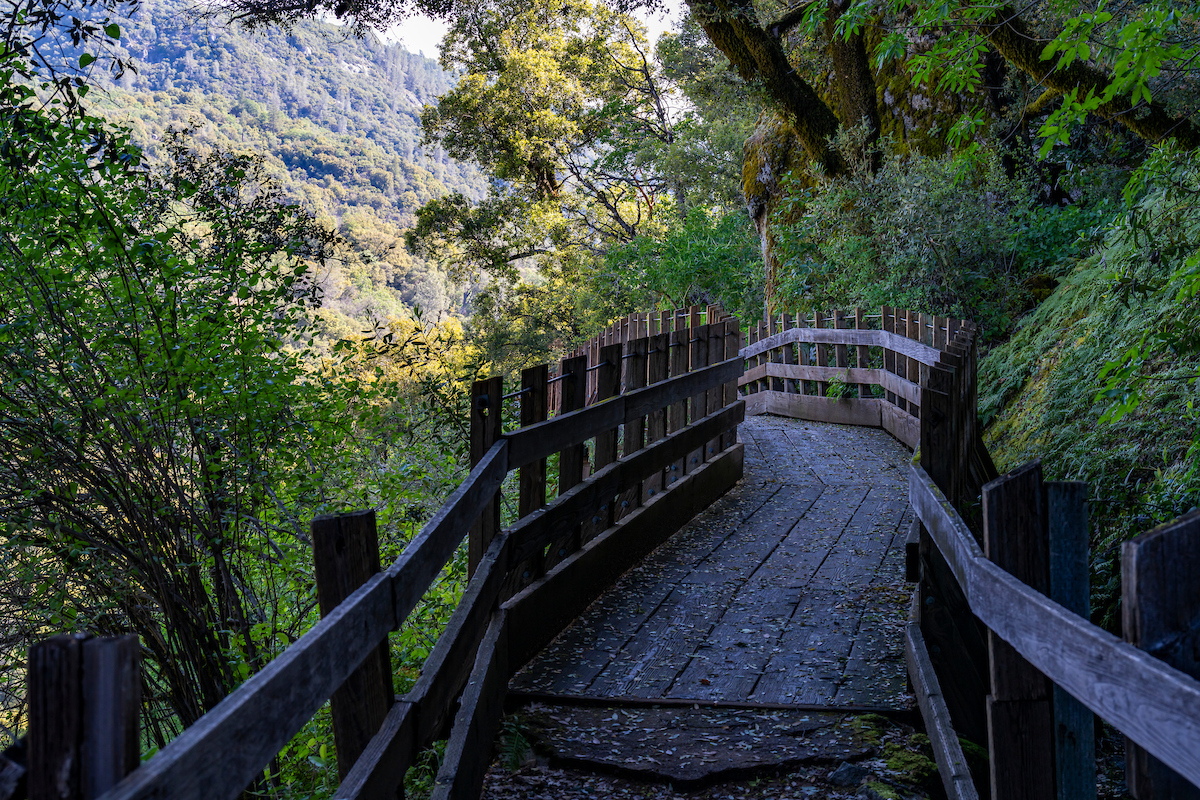 Independence Trail at South Yuba River State Park. Photo from California State Parks.
The iconic Independence Trail is now completely part of South Yuba River State Park following the donation of the Rush Creek property from the Bear Yuba Land Trust. This popular 4.7-mile trail (one way) in the Sierra Nevada foothills transformed a historic gold mining ditch into the first wheelchair-accessible wilderness trail in the entire country at the time it opened. The 2.5-mile west trail is currently closed due to damage from the 2020 Jones Fire.
“As an organization rooted in this community, we’re proud to see this land permanently protected as part of South Yuba River State Park,” said Erin Tarr, executive director, Bear Yuba Land Trust. “This transfer reflects years of partnership and a shared commitment to conserving critical habitat while ensuring that iconic places like the Independence Trail remain accessible to all, now and into the future.”
133 acres added to Pigeon Point Light Station State Historic Park (San Mateo County)
.JPG "Aerial view of Pigeon Point Light Station State Historic Park with Cloverdale Bluffs off in the distance. Photo from Matthew Huang, Peninsula Open Space Trust.") Aerial view of Pigeon Point Light Station State Historic Park with Cloverdale Bluffs off in the distance. Photo from Matthew Huang, Peninsula Open Space Trust.
Aerial view of Pigeon Point Light Station State Historic Park with Cloverdale Bluffs off in the distance. Photo from Matthew Huang, Peninsula Open Space Trust.
Views of the 115-foot Pigeon Point Lighthouse – the tallest lighthouse on the West Coast currently nearing completion of an extensive restoration – are even more majestic from Cloverdale Bluffs, now part of the state park’s spectacular coastline following a property donation from Peninsula Open Space Trust (POST). This key addition more than triples the park’s footprint and helps preserve the natural beauty of the San Mateo Coast. The acquisition also enables an extension of the California Coastal Trail through 1.5 miles of coastline in the park.
“POST is proud to be a part of State Parks Forward,” said Gordon Clark, president of Peninsula Open Space Trust. “We’re excited to once again work closely with State Parks to make more lands accessible to Californians for generations to come. This type of partnership between public agencies and private organizations is vital to maintaining our beautiful, productive and essential open spaces.”
BUILDING ON KEY ACCOMPLISHMENTS
State Parks Forward is the latest in a series of accomplishments under the Newsom administration to conserve public land, expand access to nature and foster a thriving State Park System. Earlier this month, California welcomed a new class of 36 state park peace officers (rangers and lifeguards) who are now serving as stewards of the state’s most valuable natural and cultural resources.
Outdoors for All: California is expanding parks and outdoor spaces in communities that need them the most in partnership with local governments, community organizations and tribes, supporting programs to connect with people who lack access, fostering a sense of belonging for all Californians outdoors, and much more. That includes three innovative free access programs – the Golden Bear Pass for families who receive public assistance, the California State Park Adventure Pass for fourth graders and their families, and the California State Library Parks Pass – that allow residents from all walks of life to experience California’s unmatched natural and cultural resources.
As of this month, over the life of these programs more than 144,000 eligible Californians have received a Golden Bear Pass, 97,000-plus fourth graders have signed up for a California State Park Adventure Pass, and 33,000 free passes can be checked out at libraries throughout the state.
30x30: The Golden State is leading the nation in protecting its natural resources. Through California’s 30×30 initiative, a commitment to conserve 30% of the state’s lands and coastal waters by 2030 that has been codified into state law, California has added over 2.5 million acres of conserved land and waters over the last three years. That’s roughly the size of the Big Island in Hawaii.
Cutting green tape: An initiative by the Newsom Administration to enable important environmental restoration, conservation and stewardship to happen more quickly and cost effectively by streamlining permitting and funding for environmental projects. This has resulted in more than 500 fast-tracked projects, restoring 300,000 acres of habitat, improving 700 miles of streams, and saving $12 million in permitting costs over the last four years. The commitment is to maintain California’s strong environmental standards while increasing efficiency and reducing costs.
Climate bond: Approved by voters in 2024, the $10 billion bond funds projects that protect communities from climate change impacts – from wildfire prevention and safe drinking water to biodiversity protection and expanded access to nature. It includes nearly $700 million to expand access, and directs agencies to make funding programs more accessible to all communities and better coordinated across agencies.
Community investments: It is not just about state parks. State agencies provide grants to local communities to establish their own parks, build trails, acquire and restore sensitive habitat, build natural and cultural interpretative facilities, and foster outdoor natural experiences for thousands of children and families. Over the last eight years, thanks to the Governor and State Legislature’s investments, State Parks and partner state agencies like the Wildlife Conservation Board and the state’s 10 conservancies, have invested over $1 billion into local community parks and open space, and public acquisitions that expand outdoor access.
MOVING FORWARD
State Parks will be adding thousands of more acres over the next few years. Follow along as new lands are added to the nation’s largest and most diverse State Park System at parks.ca.gov/Forward.
State Parks protects the best of California’s natural and cultural history; more than 340 miles of coastline; the tallest, largest and among the oldest trees in the world; and deserts, lakes, rivers and beaches. There are more than 5,200 miles of trails, 15,000 campsites, 145,000 acres for off-highway vehicle recreation, plus prehistoric and historic archeological sites, ghost towns, historic homes and monuments – all waiting for you.
And, with State Parks Forward, there will soon be even more to explore.
Subscribe to California State Parks News via e-mail at NewsRoom@parks.ca.gov
California State Parks provides for the health, inspiration and education of the people of California by helping to preserve the state’s extraordinary biological diversity, protecting its most valued natural and cultural resources, and creating opportunities for high quality outdoor recreation.