
California State Parks Opens Applications to Expand Outdoor Spaces Through Land and Water Conservation Fund Grants
Contact:
Newsroom@parks.ca.gov
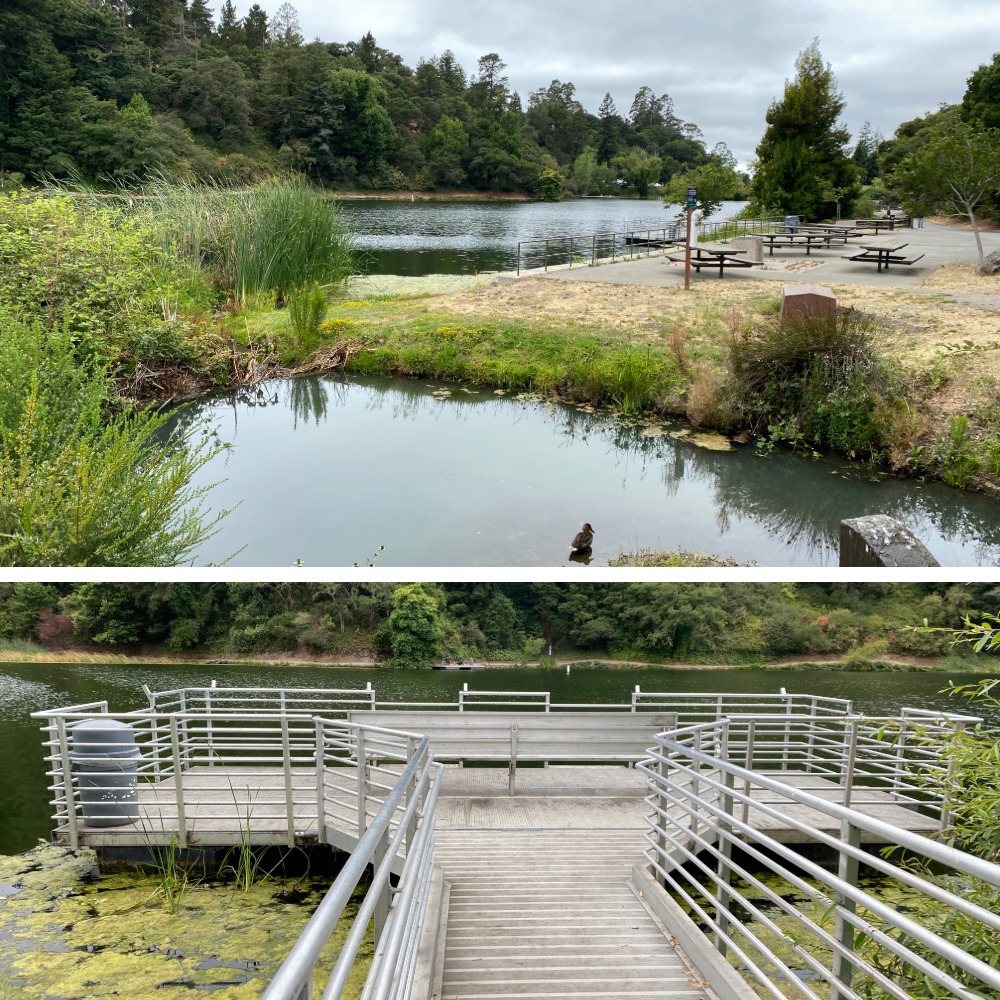
Completed project improvements at Temescal Regional Park in Oakland include renovated fishing piers, upgraded erosion protection, improved accessible parking and restrooms, and a new accessible picnic area. The project was completed by East Bay Regional Park District with support from LWCF funds.
What you need to know: Eligible public agencies can apply for up to $6 million per project through a federal grant program aimed at expanding access to outdoor spaces and recreational opportunities. Applications are due Jan. 14, 2027.
SACRAMENTO — California State Parks is inviting eligible public entities across California to apply for funding through the federal Land and Water Conservation Fund (LWCF) program, which is offering approximately $27.5 million in grants.The program helps agenciesacquire land and develop parks and recreational amenities thatsupport the health and wellness of communities.Applications are due by Jan. 14, 2027.
“Access to parks and outdoor recreation helps Californians live healthier, happier lives,” said California State Parks Director Armando Quintero. “Grants such as the Land and Water Conservation Fund empower communities to invest in outdoor spaces that will provide these benefits for generations to come. We encourage all eligible applicants across the state to take advantage of this opportunity to help create more open spaces in their communities.”
This funding opportunity aligns with the Newsom Administration’s Outdoors for All Initiative, which aims to expand access to Californians’ great outdoors.
Key Details
- Grant Purpose: Supports projects to acquire or develop parks prioritizing recreational opportunities.
- Deadline: Jan. 14, 2027, before midnight.
- Grant Amount: Around $27.5 million in total available statewide;up to $6 million can be requested per application.
- Criteria: Eligible applicants include cities and counties, federally recognized Native American Tribes, Joint Powers Authorities, park districts, and special districts with the authority to acquire, operate, and maintain public park and recreation areas.
- Application Process: Applicants must first submit an online application to California State Parks by the above due date and time. State Parks will review the applications and forward selected projects to the National Park Service for final review and approval.
- Application Guide Review: California State Parks will host virtual and in-person workshops to review the LWCF Application Guide meant to help applicants prepare their application. Visit the State Parks Land and Water Conservation Fund webpage for workshop dates, times and locations, and registration information.
If you have specific questions about a potential project, please contact your county’s assigned National Park Service Grants Project Officer.
About Land and Water Conservation Fund
Under the Land and Water Conservation Fund Act of 1964, the funding helps safeguard the nation’s natural areas, water resources, and cultural heritage. The Act intends to provide all Americans with recreation opportunities by developing public outdoor recreation areas and facilities. Since its inception in 1965, the LWCF program in California has funded more than 1,600 projects totaling $395 million. View recent projects here: Parks for All Californians: Projects Gallery and Map.
About the Office of Grants and Local Services
California State Parks’ Office of Grants and Local Services (OGALS)develops grant programs to fund projects for local, state and nonprofit organizations. Since 1964, nearly 8,000 community parks throughout California have been created or improved with OGALS grant funding investments. Since 2000, this state program has administered approximately $4.4 billion in grant funding across the state.
Subscribe to California State Parks News via e-mail at NewsRoom@parks.ca.gov
California State Parks provides for the health, inspiration and education of the people of California by helping to preserve the state’s extraordinary biological diversity, protecting its most valued natural and cultural resources, and creating opportunities for high quality outdoor recreation.