
New Analysis Shows Ecological Restoration in California’s State Parks Creates Good-Paying Careers
Study finds restoration projects generate hundreds of jobs and more than $140 million in regional economic benefit each year
Contacts:
California State Parks
Newsroom@parks.ca.gov
Parks California
Media@ParksCalifornia.org
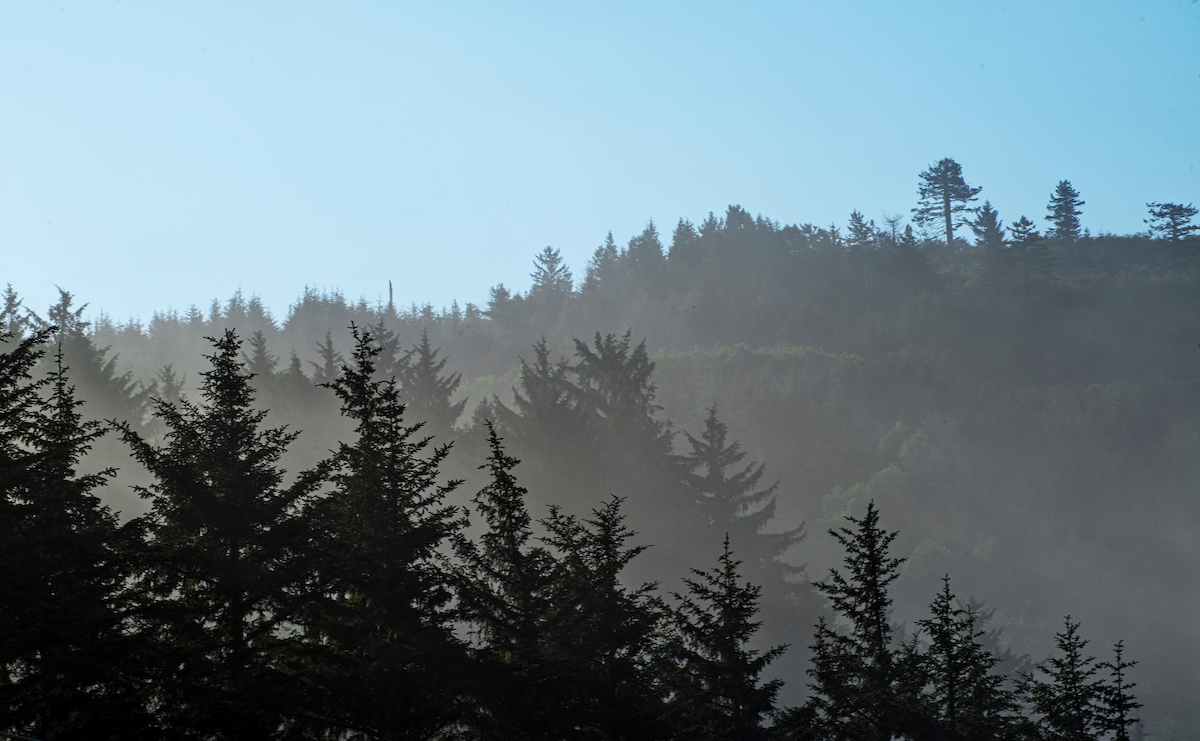
View of Del Norte Coast Redwoods State Park. Photo from California State Parks.
SACRAMENTO — A new economic analysis of large-scale ecological restoration projects in state parks on California’s North Coast shows that investments in public lands do more than restore ecosystems — each year they create hundreds of good-paying, accessible jobs, open new career opportunities and produce tens of millions of dollars in economic benefits throughout the region.
According to the analysis, restoration activities are on track to generate an estimated $140 million in annual economic benefit across Del Norte and Humboldt counties. The study was developed by the BMO Climate Institute, California State Parks, the Ecological Workforce Initiative and Parks California.
“Restoration of state park ecosystems is one of the smartest investments we can make — for the land, for the economy and for the people who depend on these spaces,” said State Parks Director Armando Quintero. “These aren't temporary jobs or short-term gains. This is about healing the land while building a skilled, local workforce that will help steward California's parks for decades. None of that happens without the partnerships that made this work and analysis possible.”
Looking at planned restoration and stewardship projects through 2030, the analysis finds that restoration work can serve as a strong economic driver in rural communities while building a skilled workforce to steward California’s public lands. The study supports the goals of the Newsom Administration’s California Jobs First and Redwood Region RISE (Resilient Inclusive Sustainable Economy) initiatives that focus on creating community-led and climate-forward economic drivers for Californians including those in rural Del Norte, Humboldt, Lake and Mendocino counties.
Many of the jobs created are trade-based positions that do not require a college degree and often offer paid, on-the-job training. The findings reinforce the value of workforce development efforts such as Parks California’s Career Pathways initiative, a statewide training and mentoring program that helps early-career adults and people exploring new career paths see parks as places to build long-term careers.
The opportunity to create career pathways that support state parks was a critical reason behind BMO’s decision to provide a $1 million grant to Parks California. In addition to fostering the development of future environmental leaders, BMO funding helps expand access to California’s state parks, strengthens partnerships with tribal communities across the state and identifies opportunities for research with the BMO Climate Institute.
“This research confirms what we see every day — restoration work creates real careers and opens doors that many people didn't know were there,” said Kindley Walsh Lawlor, president and CEO, Parks California. “Career Pathways helps people see parks as more than places to visit — they're places to grow, contribute and build a future. When we invest in people alongside the land, we make both stronger.”
Key findings in Del Norte and Humboldt counties:
- Planned restoration and stewardship projects support an average of more than 215 direct jobs per year across forestry, landscape stewardship and heavy civil construction.
- These projects generate more than $17 million annually in direct wages, with individual earnings ranging from $42,000 to more than $108,000 per year, depending on role and season.
- Beyond direct jobs and wages, restoration spending circulates through local supply chains and household spending, resulting in an estimated $47 million in economic output per year across both counties.
The analysis shows that restoration activity creates ripple effects across local economies by supporting suppliers, service businesses and tourism, offering a diverse set of workforce opportunities to local communities.
“Restoring nature is a long-term investment with benefits beyond environmental and ecosystem health,” said Melissa Fifield, head, BMO Climate Institute. “Building on BMO’s long-standing philanthropic collaboration with Parks California, the Climate Institute provided research and analytical expertise to help unlock new insights — demonstrating how ecological restoration can deliver both environmental and economic benefits for communities.”
Building a workforce for the future of parks
As California faces increasing climate challenges — from catastrophic wildfire to sea-level rise and severe flooding — the demand for skilled workers across California is expected to grow to support jobs that focus on floodplain restoration, restoration forestry and other conservation solutions. This research shows that meeting those needs can protect public lands while supporting local economies.
While the analysis focuses on State Parks’ North Coast Redwoods District, the project types examined — forest health, watershed restoration and nature-based infrastructure — are common across California State Park System, offering insights that can inform future investments statewide.
About the study
The economic analysis evaluates restoration and stewardship projects planned between 2026 and 2030 in Del Norte and Humboldt counties. The study builds on prior research conducted within Redwood National and State Parks and incorporates workforce data collected by the Ecological Workforce Initiative. The BMO Climate Institute contributed to the study through its partnership with Parks California.
”We often talk about traditional construction projects and public investment in new freeways and bridges, which are incredibly important,” said Sally Bolger, executive director, Ecological Workforce Initiative. “We talk about those investments in terms of job creation. This new analysis enables us to also tell the important story that investments in ecological restoration are job creators as well. They are a win-win-win. These projects elevate the environment, the economy and the local communities.”
For more information, view the full report and listen to the accompanying podcast produced by the BMO Climate Institute featuring project researchers and scientists.
###
About Parks California
Parks California, created by the State of California to expand the reach and impact of its parks system, strengthens our public lands and inspires all people to experience these extraordinary places. As a public-private partner, we work alongside California State Parks, public lands agencies, tribal nations, community and nonprofit groups to design solutions that make these spaces more inclusive, climate-resilient and sustainable. Together, we’re advancing a new partnership model that supports healthy communities and ecosystems to meet the needs of a changing California. Learn more at ParksCalifornia.org.
About BMO Climate Institute
Established in 2021, the BMO Climate Institute is a center of climate expertise, bridging science, policy, finance and economics to help accelerate climate solutions. It supports clients by engaging with industry, the public sector, academia and investors and serves as a resource on decarbonization, resilience, social impact and biodiversity.
About Ecological Workforce Initiative
The Ecological Workforce Initiative was founded on a simple but powerful idea: that restoring our environment and creating good jobs are goals that go hand in hand. Through our Ecological Worker Awareness and Compliance training, we prepare new and transitional workers for prevailing wage trade work careers in ecological restoration. We also work alongside a broad range of partners — from community organizations to state agencies and policymakers — to ensure that the historic levels of public investment in climate resilience create real, accessible opportunity for the frontline communities it's meant to serve. Learn more at EcologicalWorkforce.org.
Subscribe to California State Parks News via e-mail at NewsRoom@parks.ca.gov
California State Parks provides for the health, inspiration and education of the people of California by helping to preserve the state’s extraordinary biological diversity, protecting its most valued natural and cultural resources, and creating opportunities for high quality outdoor recreation.